

Designing a guide plate involves considering various factors. The first step is to clarify its intended purpose-such as drilling, cutting, or assembly-which determines the plate's shape, dimensions, and structure. For instance, a simple guide plate might consist merely of a perforated sheet used to direct a drill bit, whereas a complex one could comprise multiple components designed to coordinate the operation of several tools. Ergonomics must also be taken into account during the design process to ensure safe and comfortable operation for the user. Precision is paramount; the design must guarantee the accuracy of hole or path locations, keeping any deviations within acceptable limits. Modern design practices frequently utilize computer-aided design (CAD) software to enhance both accuracy and efficiency.
Popular Products
-
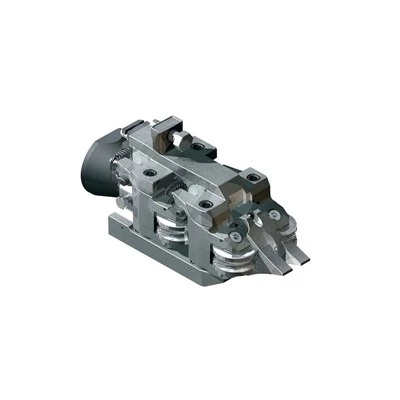
![Roller Guide Assembly]() Roller Guide AssemblyGuide Roller Material: Cr12MoV / 4Cr5MoSiV1 (Heat treatment hardness HRC 52~60) / GT35 Steel-bonded carbide / YG8...read more
Roller Guide AssemblyGuide Roller Material: Cr12MoV / 4Cr5MoSiV1 (Heat treatment hardness HRC 52~60) / GT35 Steel-bonded carbide / YG8...read more -
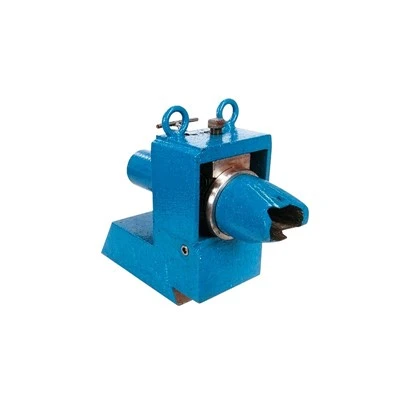
![Static Guide]() Static GuideWear-resistant Liner Material: ZG2Cr13 / BTMCr26 / ZG50Cr High chromium cast iron; Hardness HB 180~280read more
Static GuideWear-resistant Liner Material: ZG2Cr13 / BTMCr26 / ZG50Cr High chromium cast iron; Hardness HB 180~280read more
Channel... -
![Slitting Guide]() Slitting GuideSlitting Nose Material: 2Cr13 / ZG40Cr or Carbide; HRC 26~32read more
Slitting GuideSlitting Nose Material: 2Cr13 / ZG40Cr or Carbide; HRC 26~32read more
Dividing Channel Symmetry: Tolerance ≤... -
![High Speed Wire Rod Guide]() High Speed Wire Rod GuideGuide Roller Material: Cr12MoV / High chromium alloy / YG8 Carbide; HRC ≥ 58read more
High Speed Wire Rod GuideGuide Roller Material: Cr12MoV / High chromium alloy / YG8 Carbide; HRC ≥ 58read more
Dimension Tolerance: Pass...


Send Inquiry